

Hive by blackdevice
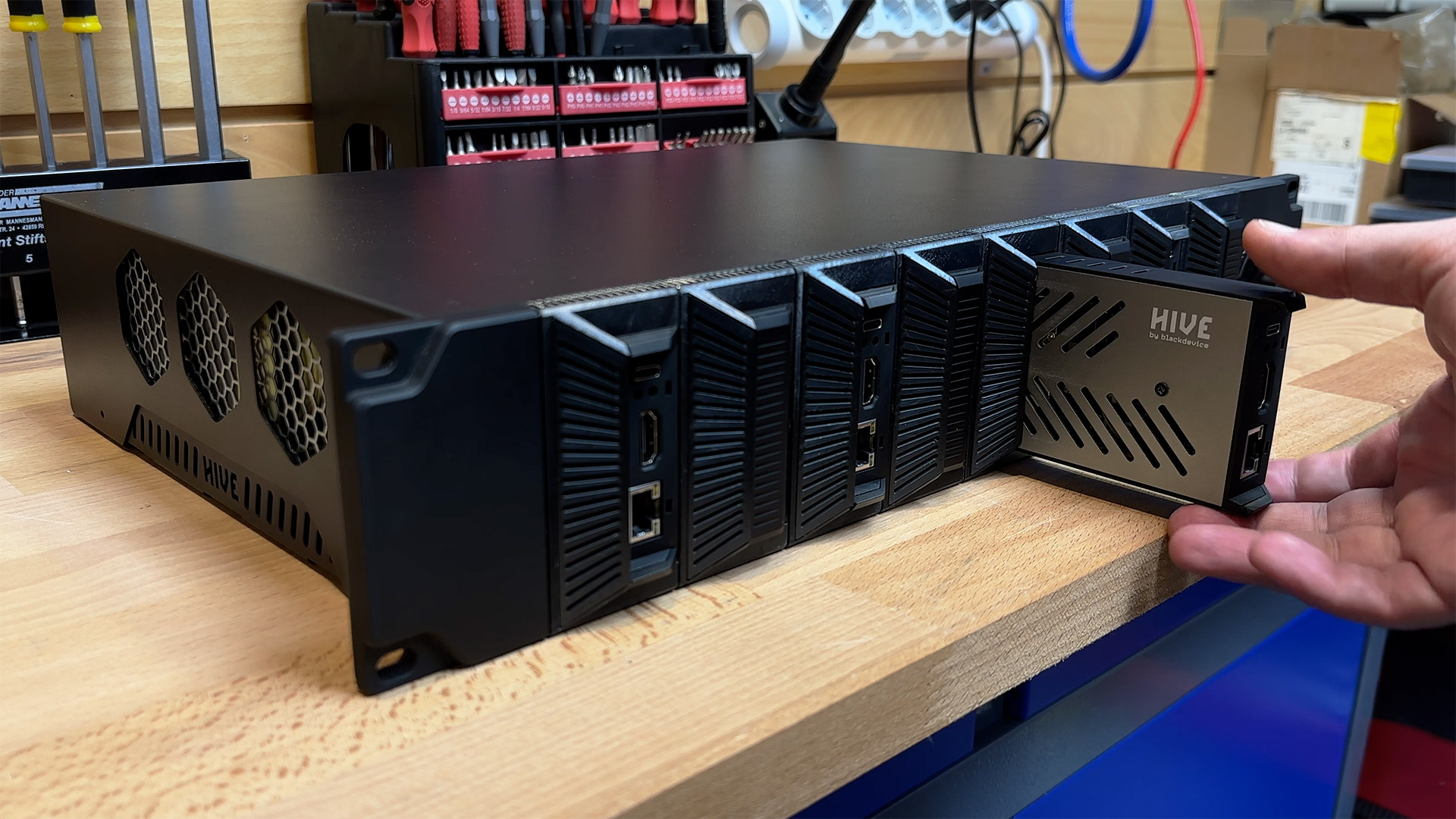
Hive mechanical design evolution. Raspberry Pi compute platform
Not long ago, we shared a look at one of our earliest Hive prototypes after it returned to our workshop for a final pit stop before heading to a new datacenter. That system had spent more than a year running in production, and taking it…
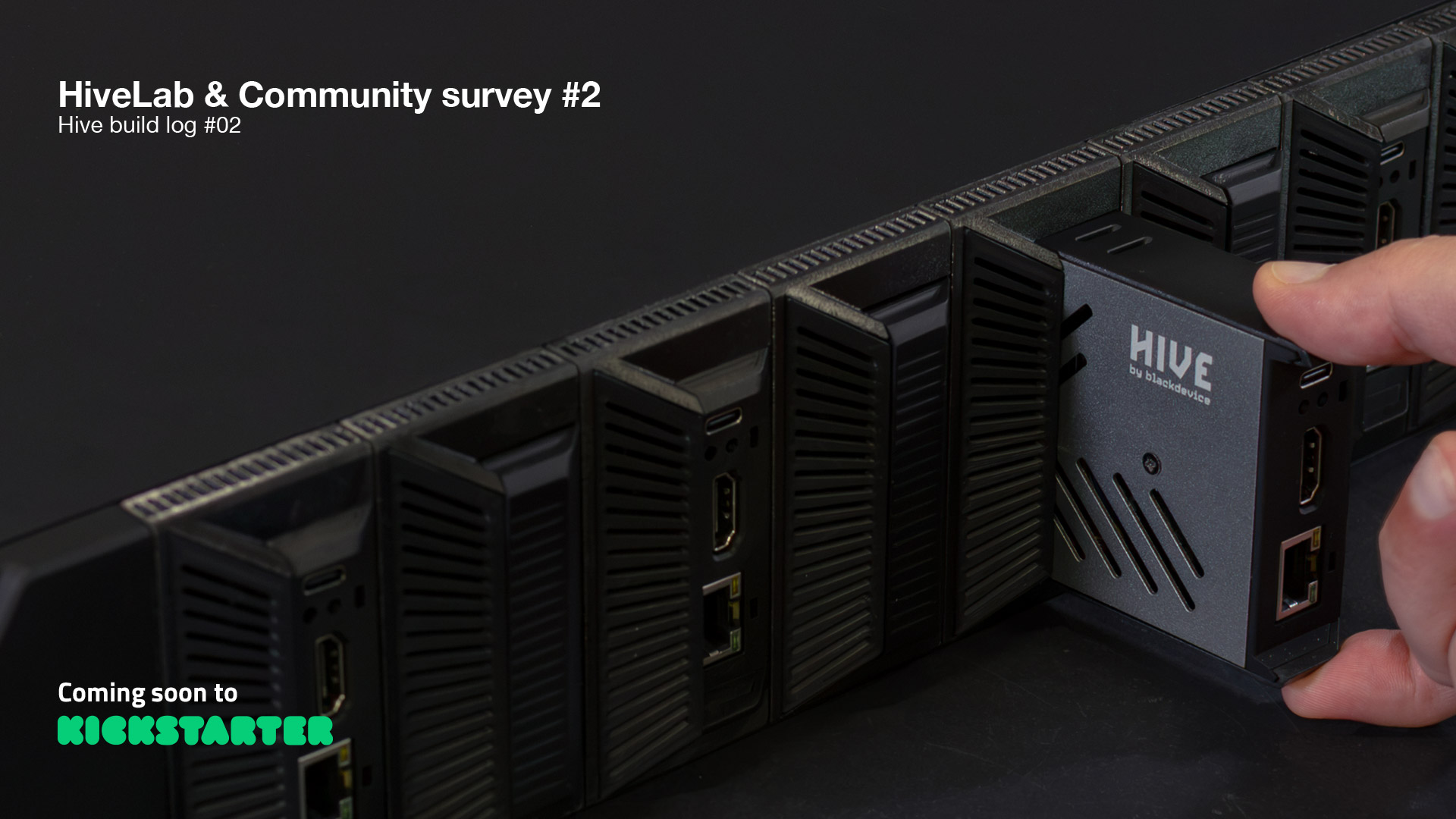
Hive Community Survey #2: What the Raspberry Pi community told us
A few weeks ago, we shared the results of our first Hive Community Survey. It helped us understand who was joining the project, validate some of our assumptions, and most importantly, it sparked the idea that eventually became HiveLab.…
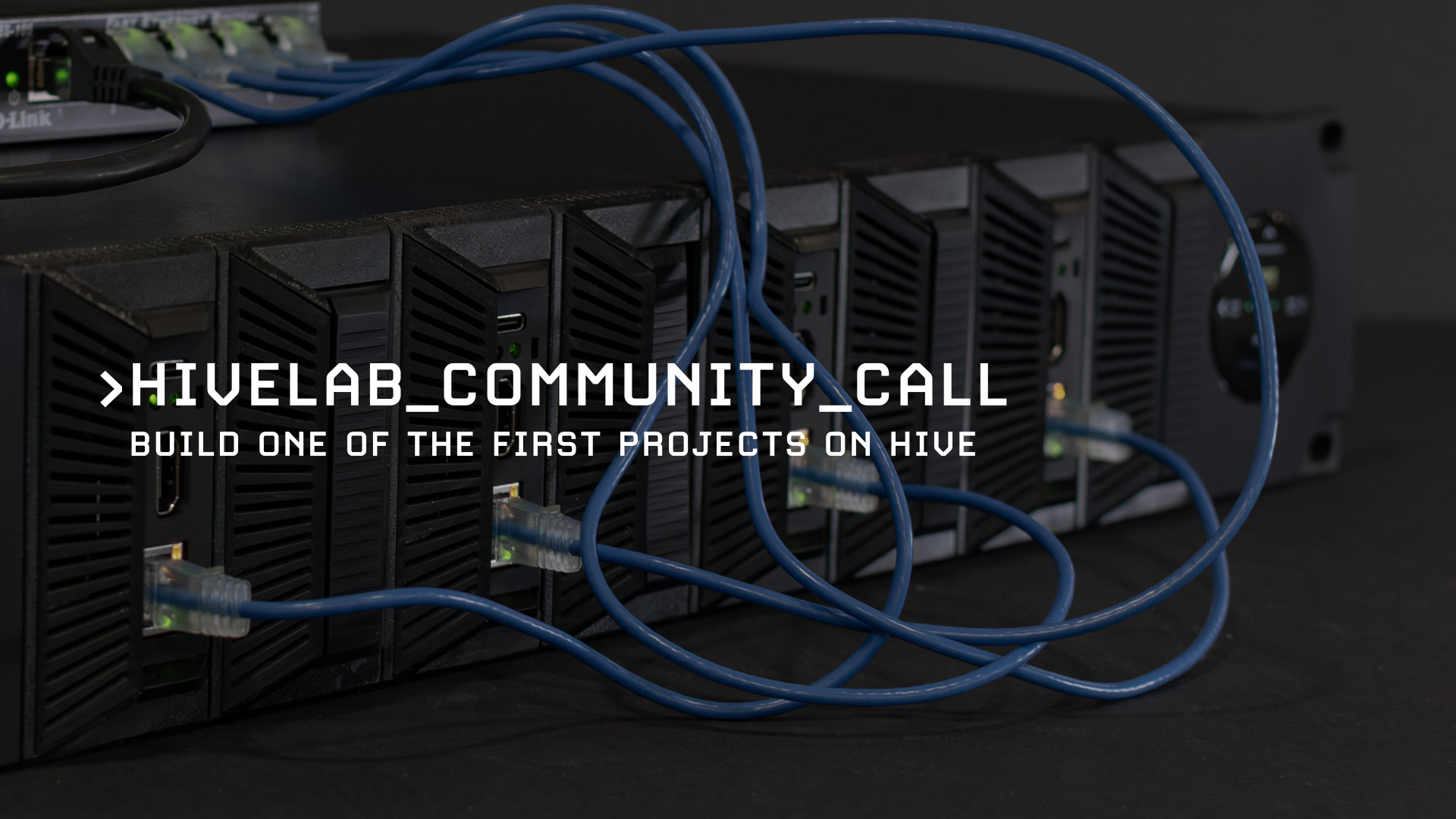
Introducing HiveLab. Build the first community projects on Hive
From the very beginning, we've tried to build Hive differently. Instead of waiting until everything was finished, we're sharing prototypes, engineering decisions, design iterations, successes and setbacks as they happened. Every blog post,…

What we learned building a Raspberry Pi cluster, and how those lessons shaped Hive
Recently, an old prototype came back home. If you've been following the project for a while, you may recognize it. A year ago, we introduced this system and documented its deployment at Ipglobal, where it would spend the following months…

Insightst from the first Hive community survey
24 responses. A growing community. And a clearer picture of where Hive should go next. A few days ago, we sent the first Hive community survey to everyone on the early bird list. The goal wasn't to collect data for a marketing dashboard.…
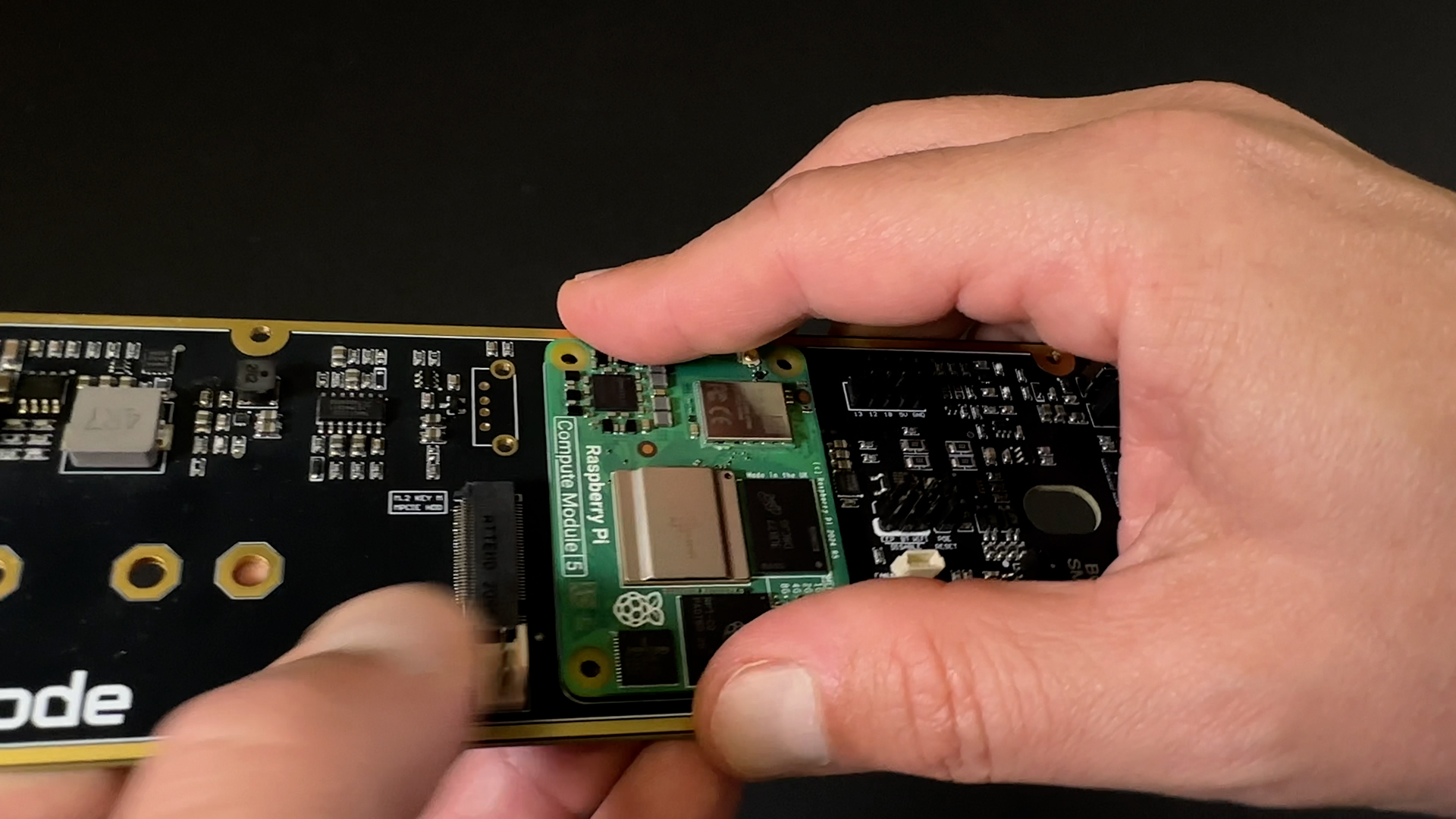
Raspberry Pi Compute Module 5 explained. What it is and why we use it
The Raspberry Pi Compute Module 5 (CM5) is one of the most powerful and versatile platforms Raspberry Pi has ever released. Unlike a traditional Raspberry Pi board, however, it often creates some confusion when people encounter it for the…
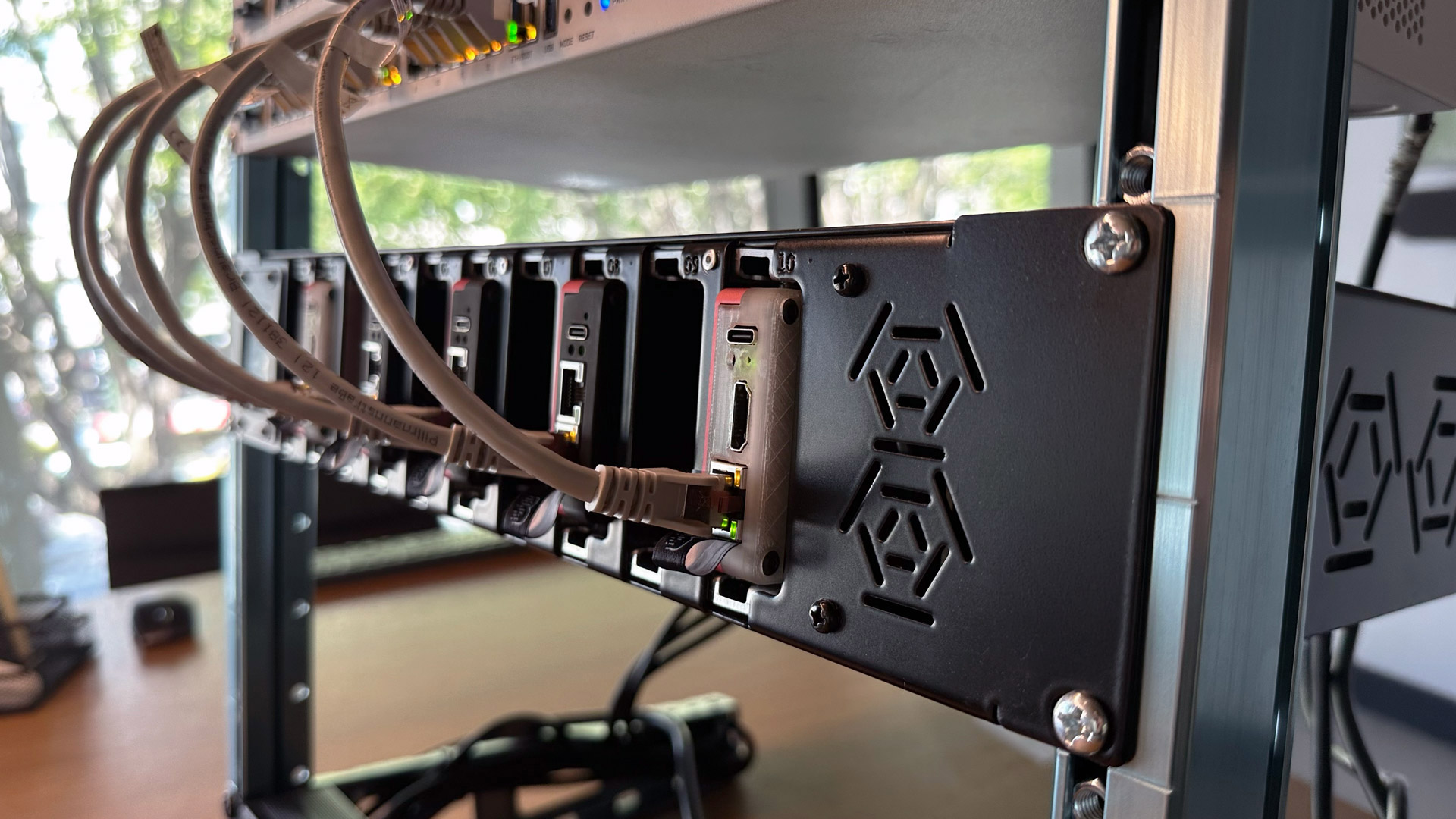
The problem with most Raspberry Pi clusters
Over the last decade, Raspberry Pi clusters have evolved from educational experiments into genuinely useful platforms. What began as a way to learn about distributed systems or parallel computing is now being used to run real workloads.…

Why we are building Hive
ARM infrastructure has quietly matured. What started as hobby boards and experimental clusters is now running real workloads: Kubernetes, self-hosted platforms, CI runners, edge deployments, distributed services, internal tooling.…
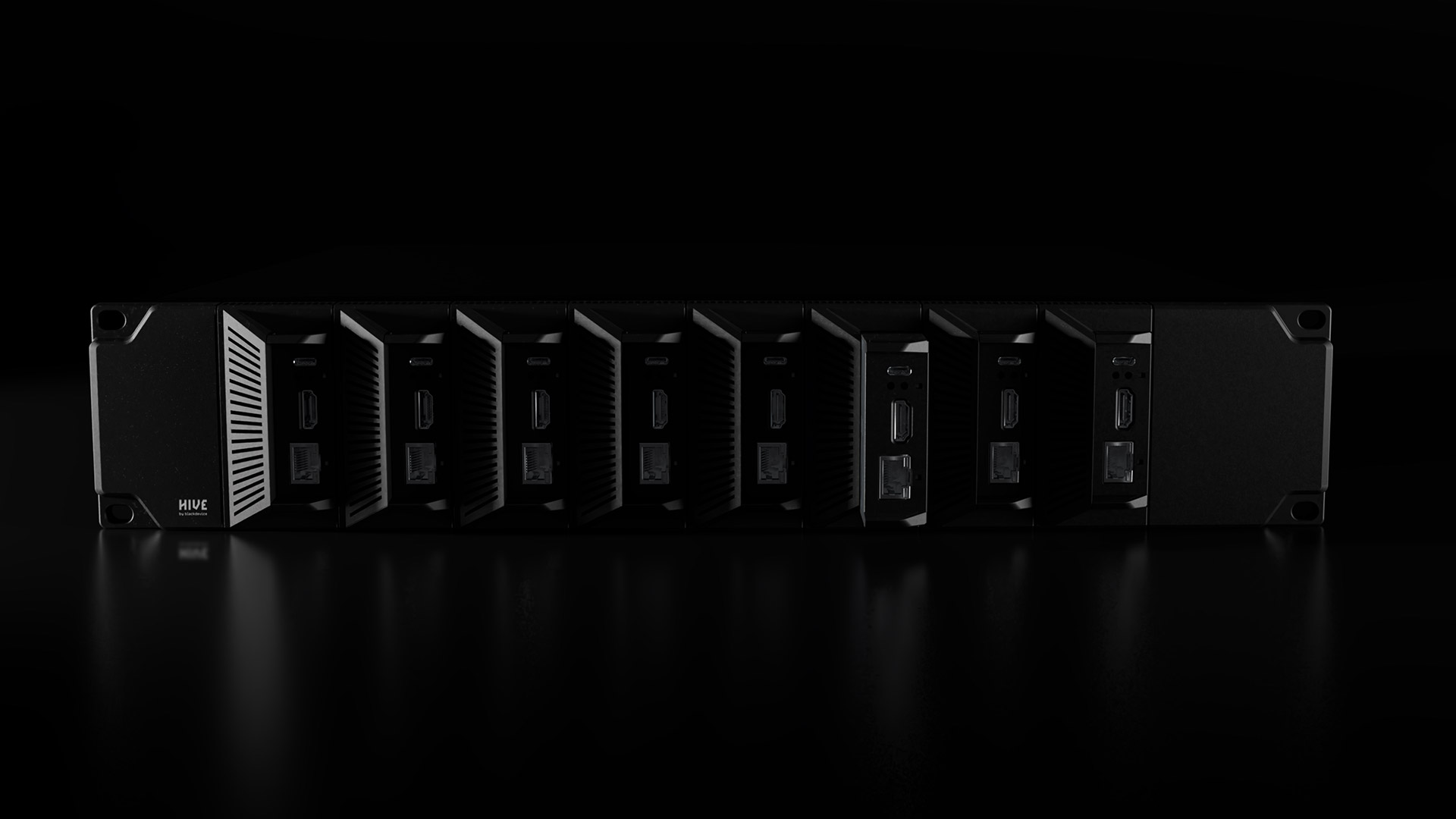
We're building Hive. And we're taking it to Kickstarter
We’ve been building Hive for a long time. Quietly, internally, the way hardware projects usually evolve when the goal is to build something real: PCB revisions, failed prototypes, mechanical redesigns, thermal testing, back-and-forth…

How to distribute services on a 10‑node Raspberry Pi CM5 cluster
Our ARM cluster project is moving forward: we already have several “beenodes” operational in a fully functional prototype, which we showcase in this post and in this video. As we continue developing and producing more units of the updated…
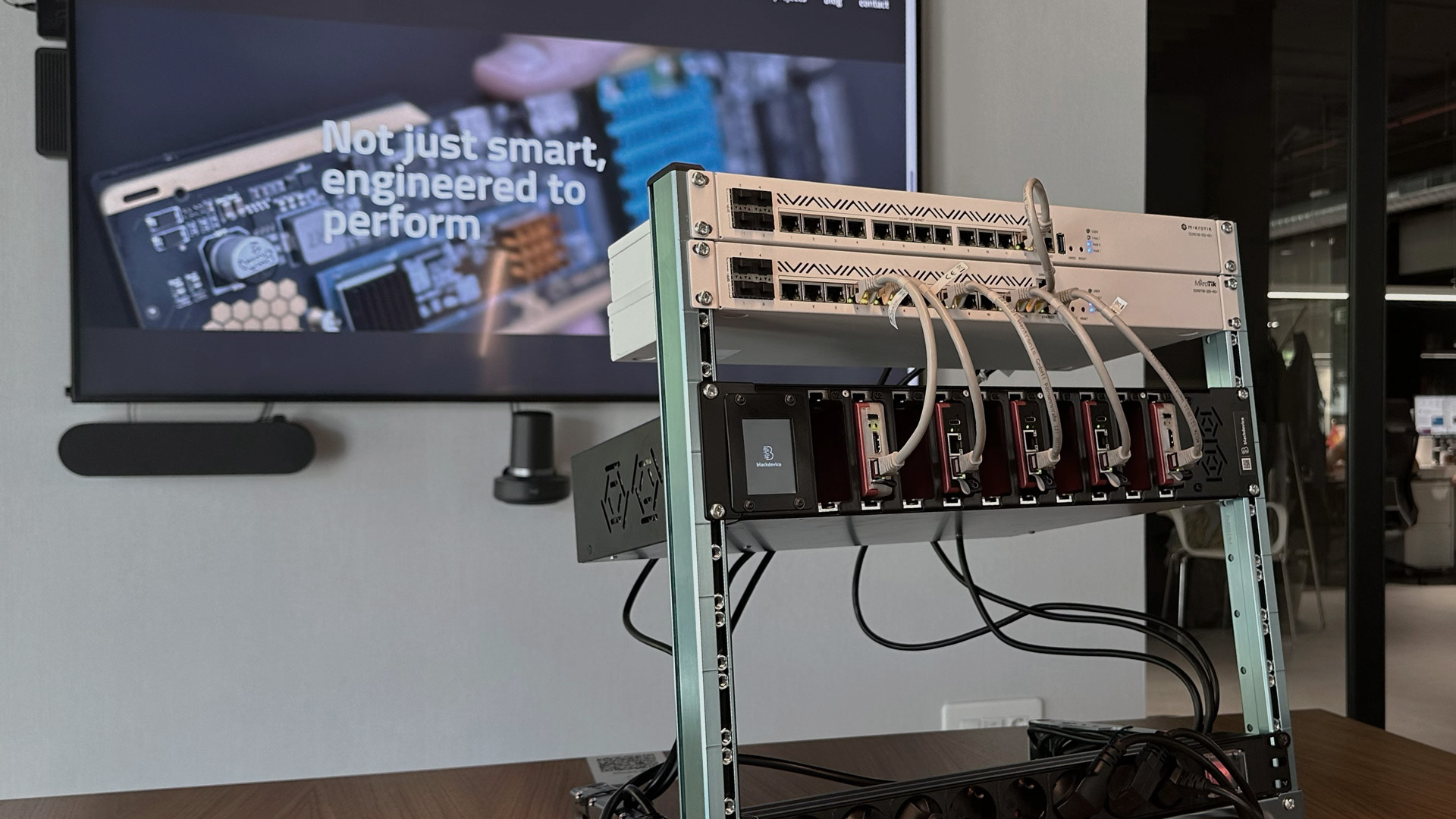
First look at our Raspberry Pi CM5 ARM cluster prototype
Join us as we unveil the first working prototype of our ARM cluster, an innovative and compact computing solution built around the Raspberry Pi Compute Module 5 (CM5). Presented during a VMware/VMUG Galicia event at our parent company…
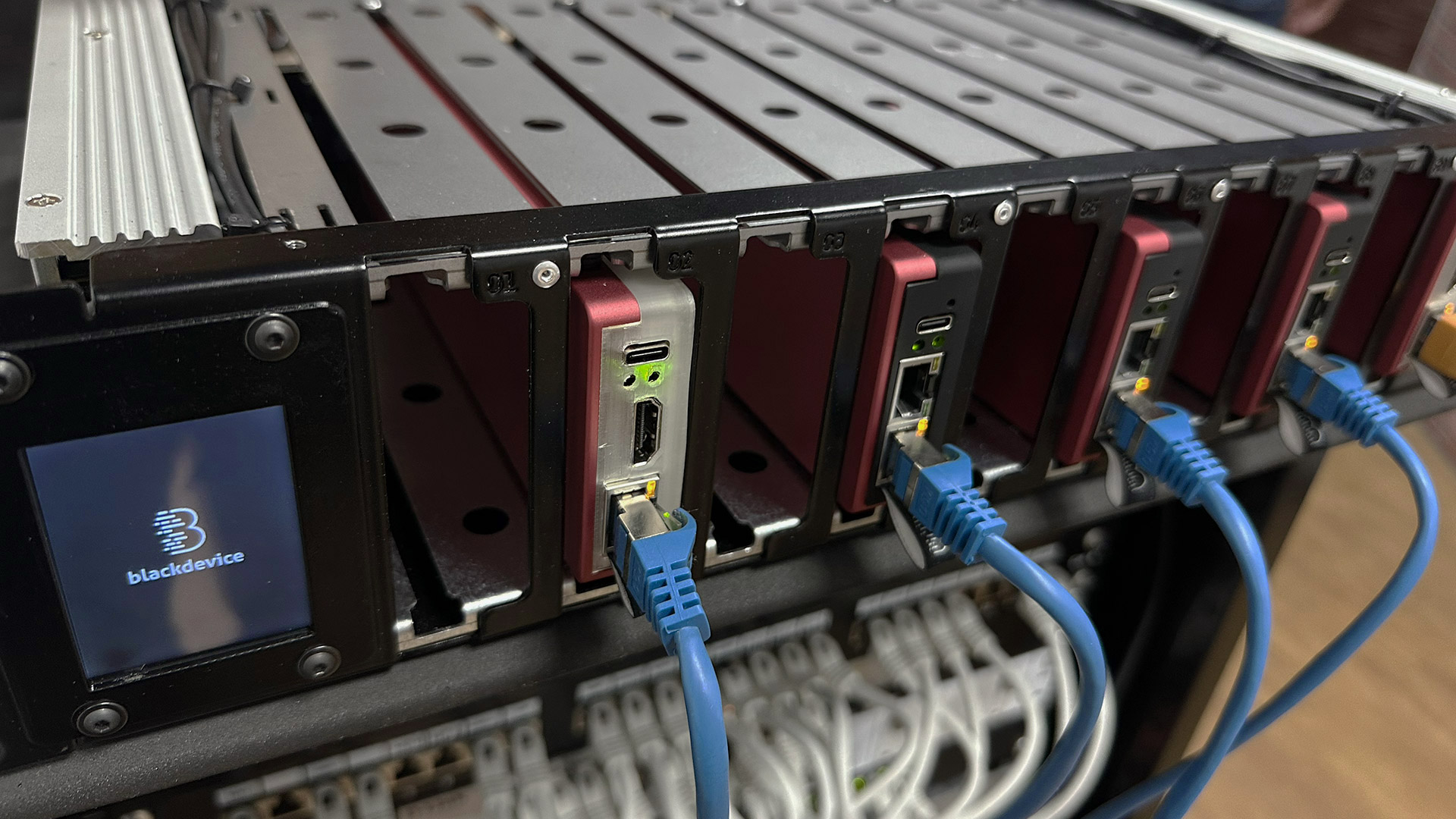
Introduction to ARM clusters with Raspberry Pi CM5
ARM clusters are an exciting frontier in distributed computing, especially when built using devices like the Raspberry Pi CM5. In this article, we’ll explore what an ARM cluster is, how it works, and its many practical applications—all…